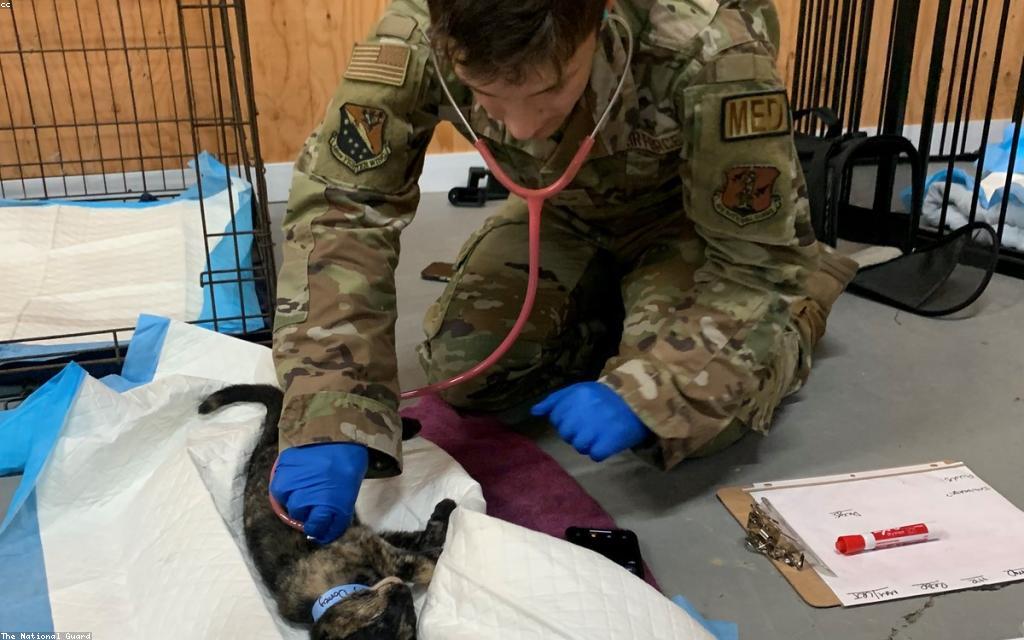
No one wants to imagine their pet being hurt or suddenly falling ill, but emergencies rarely announce themselves in advance. They tend to happen at the worst possible moments, often outside regular clinic hours, and in those frightening minutes the difference between panic and preparation can matter a great deal. Knowing some basic first aid and having a plan in place will not replace professional veterinary care, but it can stabilize your pet, prevent a situation from worsening, and buy precious time on the way to help.
Preparing Before Anything Happens
The most valuable first aid happens long before an emergency, in the form of preparation. Keep the phone number and address of your regular veterinarian somewhere easy to find, along with the details of the nearest emergency animal hospital and its hours. Many areas have a dedicated after-hours clinic, and knowing where it is before you need it spares you a frantic search at two in the morning. It is also wise to keep the number of an animal poison control service on hand, as accidental poisonings are among the most common emergencies.
Assembling a pet first aid kit is a simple project that pays off when it counts. You can build one yourself or buy a ready-made version and adapt it.
- Gauze pads and rolls, plus self-adhering bandage that does not stick to fur
- Adhesive tape, blunt-tipped scissors, and tweezers
- A digital thermometer and a water-based lubricant
- Disposable gloves and clean towels
- A muzzle or strips of soft cloth, since even gentle pets may bite when in pain
- Saline solution for flushing wounds or eyes
- A blanket that can serve as a stretcher
- Your pet’s medical records and a current photo
Staying Calm and Staying Safe
When a pet is injured or terrified, even the sweetest animal may bite or scratch out of pain and fear. Your first job is to keep yourself safe so that you can actually help. Approach slowly, speak in a calm and reassuring voice, and be prepared to use a muzzle on a dog if it is conscious and not having trouble breathing or vomiting. Never muzzle a pet that is struggling to breathe. For cats and small animals, gently wrapping them in a towel can both protect you and help them feel secure. Your own composure has a real effect; pets read our energy, and a steady handler helps a frightened animal settle.
Handling Common Emergencies
Knowing what to do in a few common situations can make a meaningful difference. For external bleeding, apply firm, steady pressure with a clean cloth or gauze. If blood soaks through, add more material on top rather than removing the first layer, and keep pressure on while you arrange transport. Most bleeding will slow with sustained pressure.
If you suspect your pet has eaten something toxic, do not try home remedies or induce vomiting unless specifically instructed by a professional, as some substances cause more damage coming back up. Instead, call your veterinarian or a poison control line immediately and have the packaging or a sample of the substance ready to describe. Time is critical with poisonings, and expert guidance will tell you exactly what to do.
Heatstroke is a serious warning. A pet that is panting heavily, drooling, weak, or collapsing on a hot day needs urgent cooling and veterinary care. Move it to shade or air conditioning and apply cool, not ice-cold, water to the body while heading to the clinic. For choking, you may see pawing at the mouth, distress, or difficulty breathing; if you can clearly see and easily remove an object you may try, but avoid pushing it further down, and seek immediate help.
Recognizing a True Emergency
Part of good first aid is knowing when a situation cannot wait. Certain signs mean you should head to a veterinarian without delay rather than monitoring at home.
- Difficulty breathing, choking, or blue-tinged gums
- Severe or uncontrolled bleeding
- Suspected poisoning
- Repeated vomiting or signs of a swollen, hard abdomen
- Inability to urinate, especially in male cats
- Seizures, collapse, or sudden inability to stand
- Trauma from a fall or vehicle, even if the pet seems fine afterward
That last point deserves emphasis. A pet that has been hit by a car or fallen from a height may have internal injuries that are not visible, so it should always be examined even if it appears to walk away unharmed.
Transporting an Injured Pet
Moving a hurt animal carefully prevents further harm. For a large dog with a possible spinal injury, a board or sturdy blanket used as a stretcher keeps the body supported. Smaller pets can be placed in a carrier or wrapped in a towel. Try to keep the animal warm and as still as possible, and have someone call ahead to the clinic so the staff can prepare for your arrival.
First aid is a bridge, not a destination. Its purpose is to protect and stabilize your pet until professional care takes over. By preparing a kit, learning a few key responses, and knowing when to seek help, you give yourself the confidence to act decisively in a crisis. That readiness, more than anything bought in a store, is the truest form of protection you can offer the animal that depends on you.