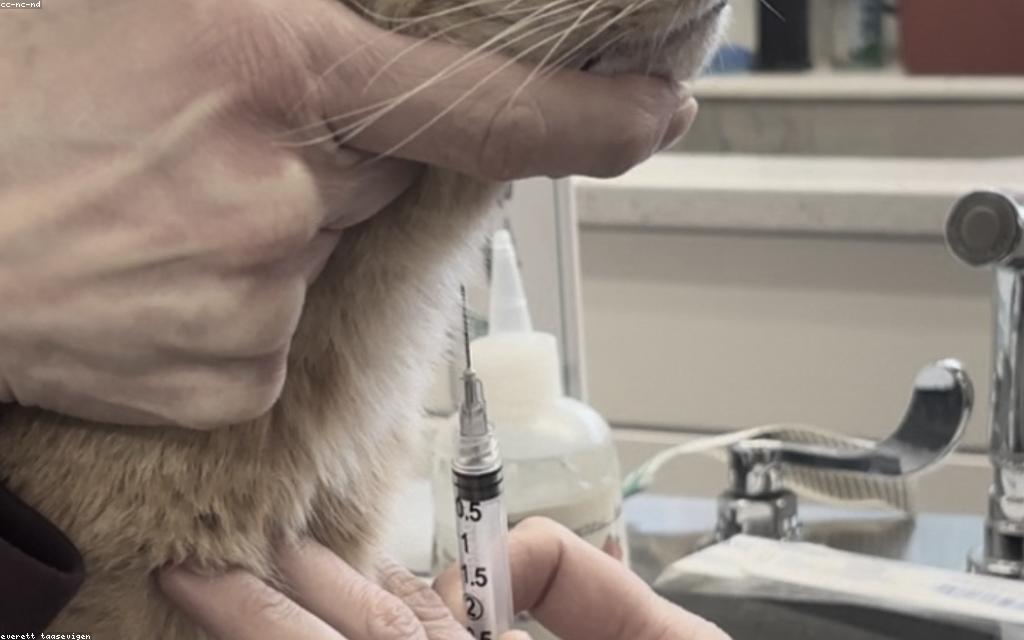
The transition from adulthood to old age happens gradually in pets, often so slowly that owners do not notice until a once-energetic companion is sleeping more, moving stiffly, or graying around the muzzle. Aging is not a disease, but it does bring changes that deserve attention and adjustment. With thoughtful care, the senior years can be among the most rewarding of your time together, full of calm companionship and deepened trust.
When Is a Pet Considered Senior
There is no single birthday that marks old age. Small dogs and cats tend to age more slowly and may not be considered senior until ten or eleven years old, while large and giant breed dogs can reach their senior years as early as six or seven. Size, breed, genetics, and lifestyle all play a role. Rather than fixating on a number, it is more useful to watch for the physical and behavioral shifts that signal your pet is entering a new life stage and may need a different kind of care.
Physical Changes to Expect
Aging touches nearly every system in the body. Joints lose cartilage and develop arthritis, making it harder to jump onto the sofa or climb stairs. Muscle mass declines, so a previously sturdy pet may feel bonier along the spine. Senses dull: vision clouds, hearing fades, and the sense of smell that guides so much of a dog’s or cat’s world becomes less sharp. Internal organs such as the kidneys, liver, and heart work less efficiently, and the immune system becomes slower to respond to threats.
- Stiffness or limping, especially after rest or in cold weather
- Cloudiness in the eyes or bumping into furniture
- Not responding to a familiar name or sound
- Weight loss or, conversely, weight gain from reduced activity
- More frequent drinking and urination
- Lumps, bumps, or changes in the coat and skin
None of these signs should simply be written off as “just old age.” Many are manageable, and some point to treatable conditions that respond well when caught early.
The Value of More Frequent Checkups
Because pets age faster than people and hide illness well, twice-yearly veterinary visits become valuable in the senior years. A six-month interval may not sound like much, but for an older animal it can represent a meaningful fraction of remaining life, and conditions can develop quickly. Routine bloodwork, urine testing, and blood pressure checks can reveal early kidney disease, diabetes, thyroid imbalance, or other issues long before outward symptoms appear. Catching these problems early often means simpler, more effective, and less expensive treatment.
Adjusting the Home for Comfort
Small changes around the house can dramatically improve an older pet’s quality of life. Orthopedic beds cushion aching joints and should be placed in warm, draft-free spots. Ramps or pet stairs help dogs reach the bed or car without painful jumping. Rugs and runners over slippery floors give arthritic pets the traction they need to walk confidently. For cats, a litter box with a low entry side is far easier to step into than a high-walled one, and keeping food, water, and the litter box on the same floor spares them difficult trips up and down stairs.
Lighting matters too. A nightlight can help a pet with failing vision navigate after dark, and keeping furniture in consistent places prevents confusion for an animal that is losing sight or cognitive sharpness.
Nutrition and Weight in Later Life
An aging metabolism and reduced activity mean many senior pets need fewer calories to avoid gaining weight, while others struggle to keep weight on. There is no one-size-fits-all senior diet; the right choice depends on the individual animal and any medical conditions present. A pet with kidney disease, for instance, benefits from a diet formulated to ease the kidneys’ workload, while an arthritic pet benefits from staying lean to reduce stress on the joints. Your veterinarian can help tailor food choices, portion sizes, and supplements such as joint support to your pet’s specific needs.
Caring for the Aging Mind
Just as people can experience cognitive decline, older dogs and cats can develop a condition similar to dementia. Signs include disorientation, pacing or wandering at night, staring at walls, forgetting house training, and changes in how they interact with the family. While there is no cure, mental stimulation, predictable routines, certain diets, and medications can slow the progression and ease confusion. Keeping your pet gently engaged with short walks, food puzzles, and familiar play helps maintain both body and mind.
Honoring the Bond Through the End
Caring for a senior pet eventually raises difficult questions about quality of life. Pain control, mobility, appetite, and the ability to do enjoyable things are useful measures to revisit honestly over time. Open conversations with your veterinarian about comfort and, when the time comes, end-of-life care are an act of love, not failure. Many owners find that focusing on good days, comfort, and dignity transforms a painful subject into a meaningful final chapter.
The senior years ask more of us as caretakers, but they also offer a chance to repay years of loyalty with patience and tenderness. With attentive care, regular veterinary support, and a few practical adjustments, an aging pet can remain a content and cherished member of the family for as long as possible.